Children’s Literature: Theory and Practice by F. A. Hughes: Simplified
Children’s literature is a fascinating and diverse field of study that has been the subject of much debate and controversy.
Uncover Literary Theory in an engaging and simplified format with LitforIndia.
Children’s literature is a fascinating and diverse field of study that has been the subject of much debate and controversy.
Judith Butler’s groundbreaking theory of gender performativity challenges long-held beliefs about how we understand and experience gender.
Paratextuality transcends the confines of the written word, encompassing the entirety of those elements that accompany and frame a literary work.
Jacques Lacan’s concept of the “mirror stage” stands as a cornerstone in psychoanalytic theory.
Rhizome philosophy rejects the singular, authoritative map of arborescent thinking.
This blog delves into the rich terrain of Bhabha’s thought, navigating the nuances of hybridity theory and its implications for understanding cross-cultural interactions.
Architextuality, a key element within the broader concept of transtextuality, reveals the intricate relationship between a text and its genre.
TransTextuality emerges as a dynamic phenomenon, blurring the lines between written, spoken, and visual expressions.
In the grand tapestry of literary devices, metatextuality stands as a vibrant thread that weaves together self-awareness and audacious commentary.
we delve deeper into Male Gaze VS Female Gaze, exploring their impact on media, and how they shape our perceptions.
Gynocriticism is not simply a critical approach; it’s a journey of discovery, a roadmap to a literary landscape where women’s voices take centre stage.
Avant-Garde gives a powerful message: art can be anything, anything bold, anything strange, anything beautiful.
As per intentional fallacy, any work is not limited to the author’s intent but should be assessed by how effectively it communicates with its audience.
The affective fallacy underscores the importance of perceiving a work of art independently of the emotions it evokes, advocating for a more objective analysis centred on the inherent qualities and craftsmanship
Exploring the fascinating world of Mikhail Bakhtin and Dialogism, we delve into the profound insights of a thinker who redefined our understanding of human communication.
Language, an incredible tool enabling us to share ideas and feelings, holds hidden layers beyond mere words—enter “Langue and Parole.
The concept of Signifier and Signified transformed how language and signs were perceived.
This influential theory has not been without its share of critique, sparking ongoing debates. Additionally, its principles continue to be applied and adapted in various modern contexts.
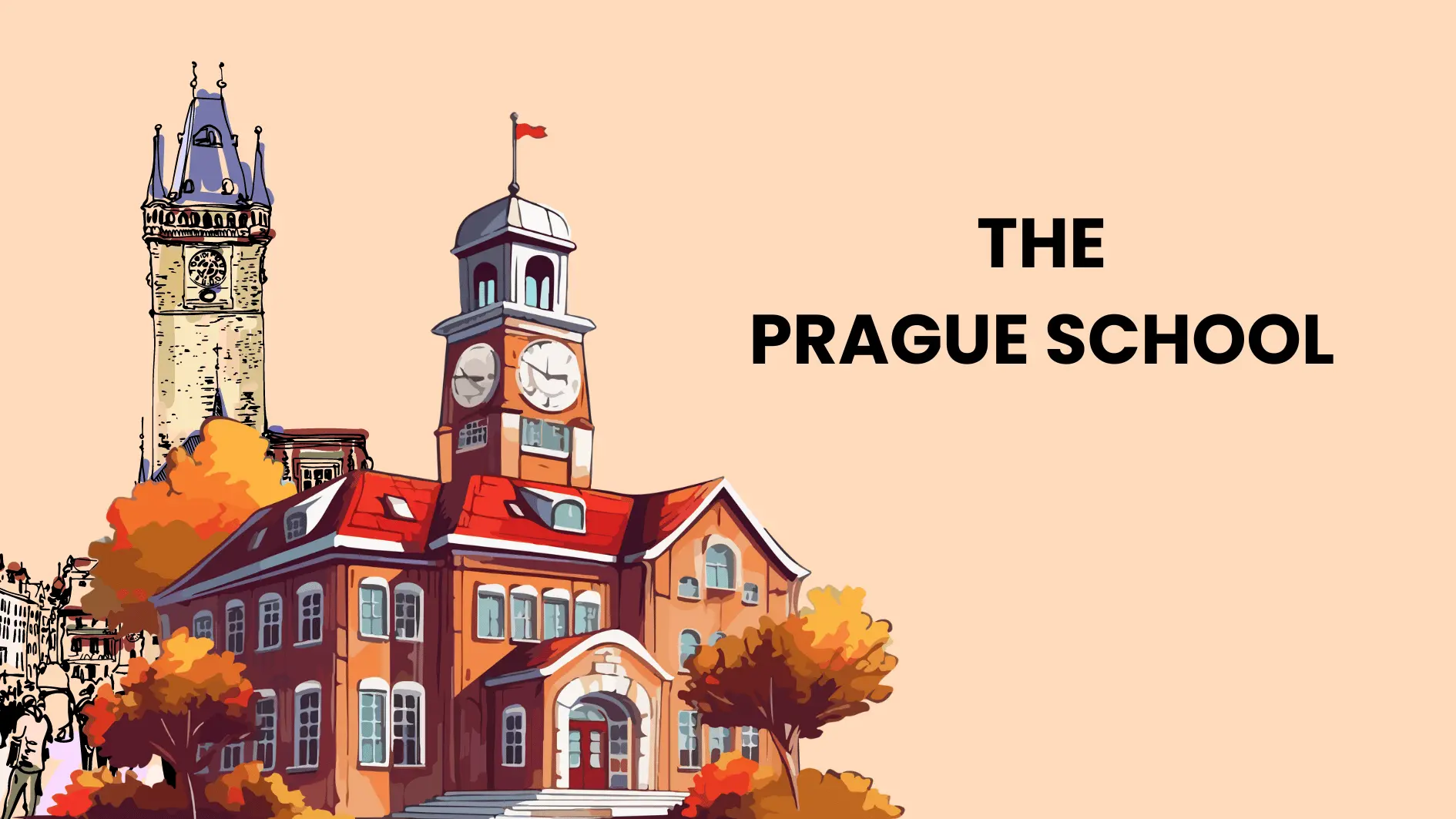
Ever wonder how language works? How do sounds and words weave meaning? That’s the puzzle the Prague School cracked!
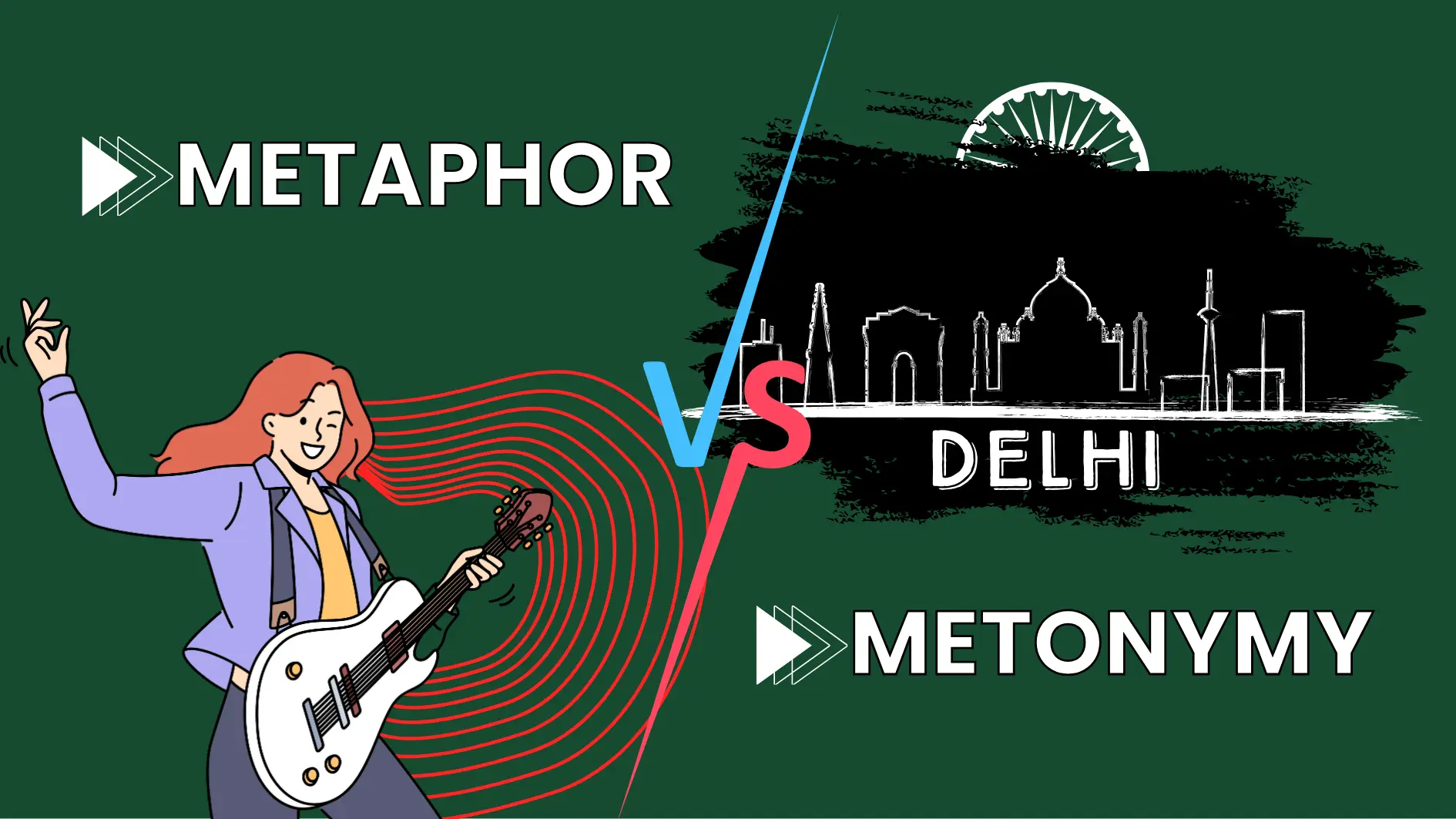
In this blog, we’ll look at Metaphor-Metonymy in simple ways, exploring what Jakobson said about them and why they matter in our everyday conversations.

New Criticism was a prominent literary theory that emerged in the early to mid-20th century, primarily in the United States.

The early 20th century witnessed a seismic shift in the landscape of literary theory with the emergence of Russian Formalism (often referred to as, “formalism”).
Literariness simply refers to the qualities that make a work of literature distinct from other forms of writing.
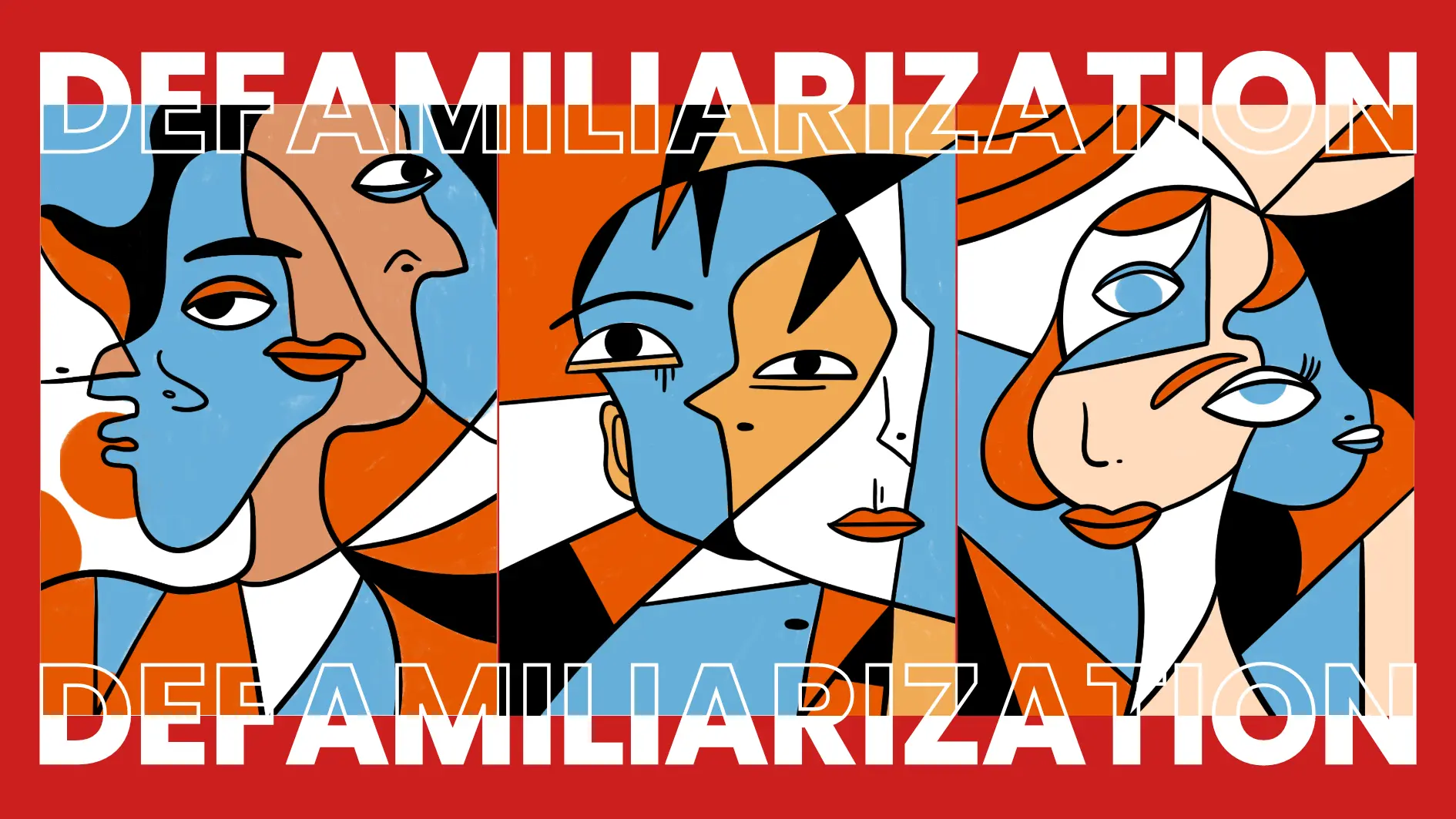
The idea behind defamiliarization is to present everyday objects, events, or language in a way that challenges automatic perception.
Thank you for expressing your interest in joining LitforIndia as a Summer Intern. We appreciate your enthusiasm and eagerness to contribute to our team.
Unfortunately, this year's application process has concluded, and we are no longer accepting submissions. We encourage you to consider applying again next year during our open application period, which typically begins in March.
We value your interest in our organization and look forward to the possibility of welcoming you to our team in the future.
Thank you once again for your interest in LitforIndia.